Teachers’ Voices: What Robots4Inclusion Revealed About Inclusive Education in Spanish Primary Schools
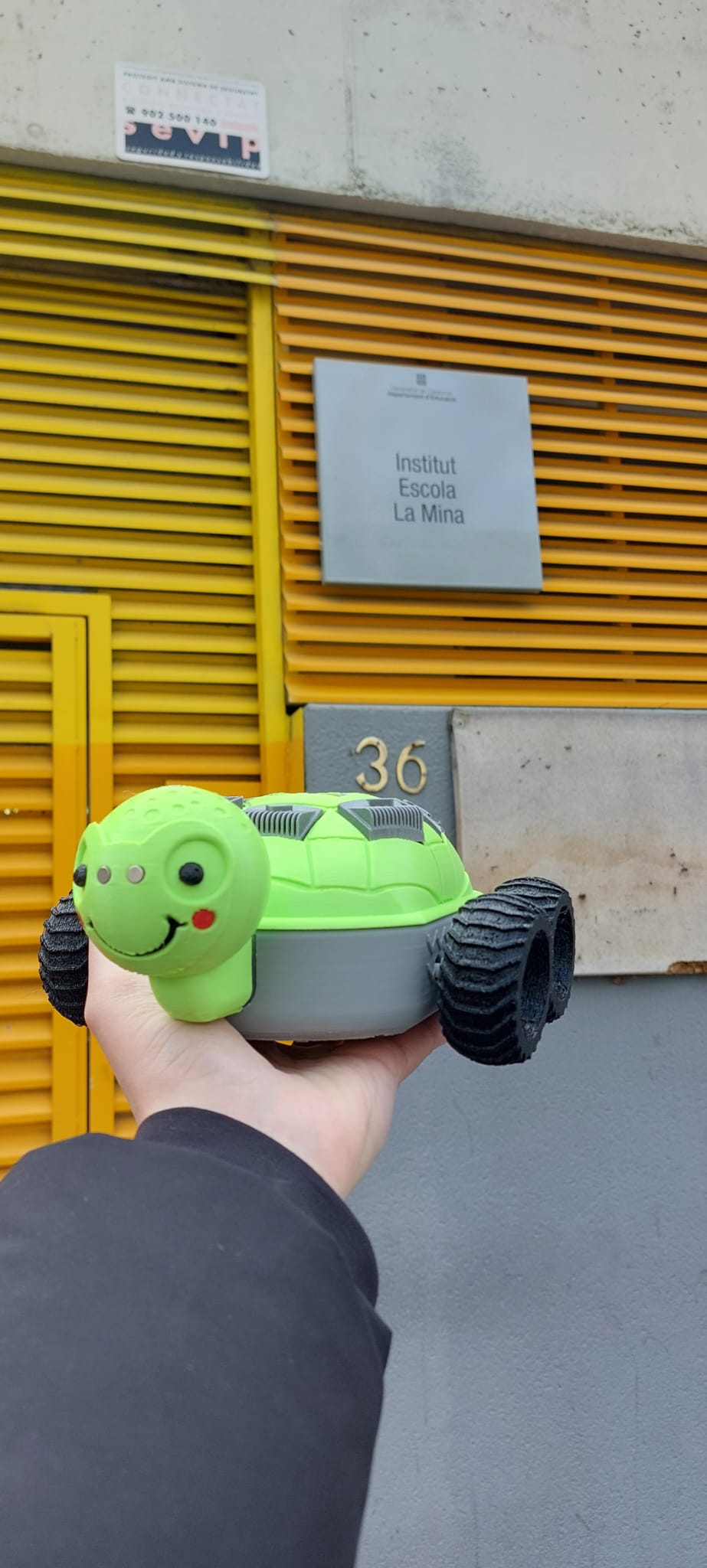
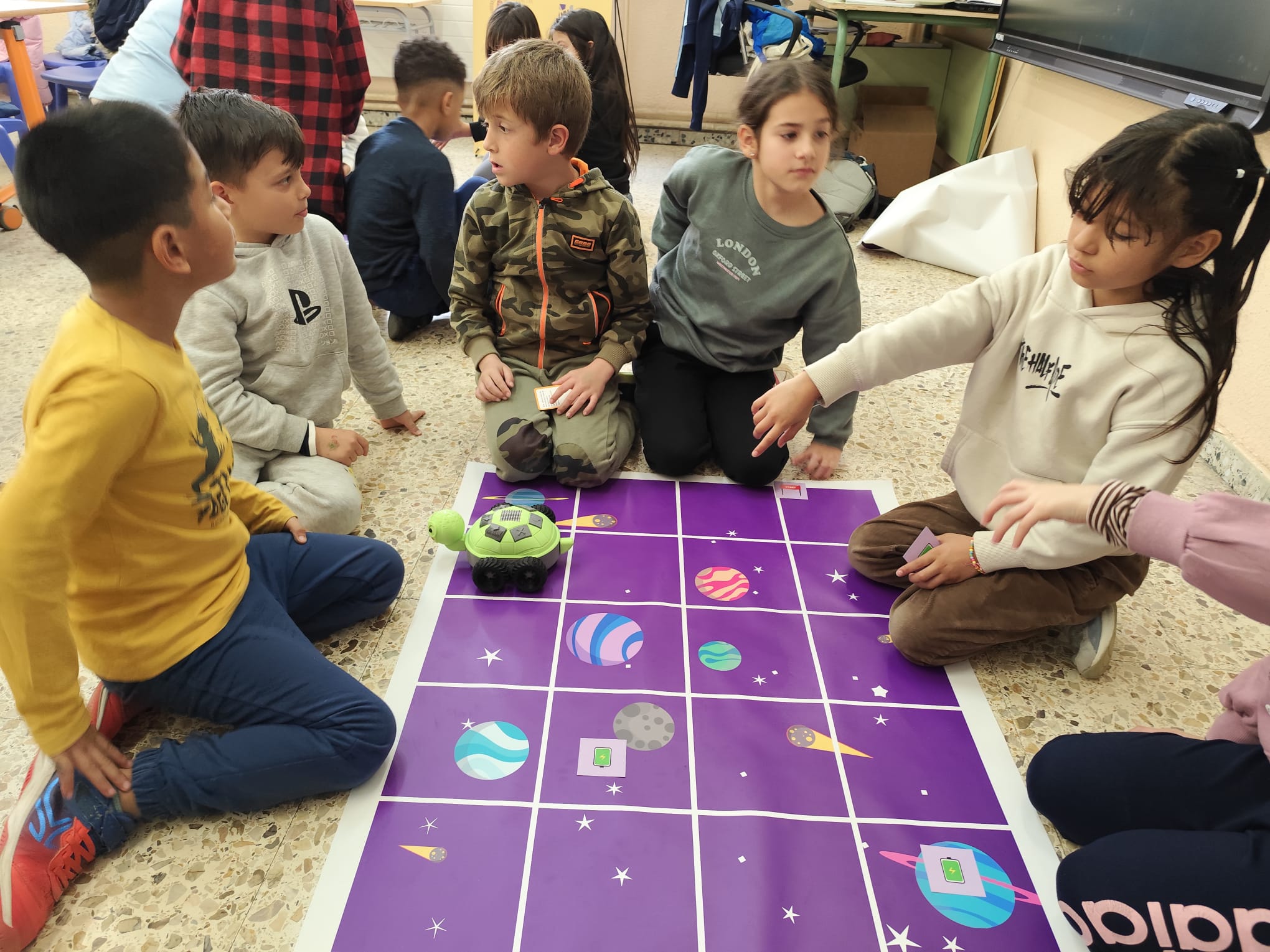
How can educational robotics help children develop empathy, collaboration and a stronger sense of belonging? As part of the Erasmus+ Robots4Inclusion project, teachers in Spain shared their experiences before and after implementing classroom activities with TOKADI, an educational robot designed to combine technology with socio-emotional learning.
Listening to Teachers Before and After the Intervention
In Spain, 10 primary school teachers contributed to the project’s qualitative research through interviews conducted before and after the classroom intervention.
The interviews explored pupils’ participation, classroom relationships, inclusion, socio-emotional competences and teachers’ experiences of using educational technology.
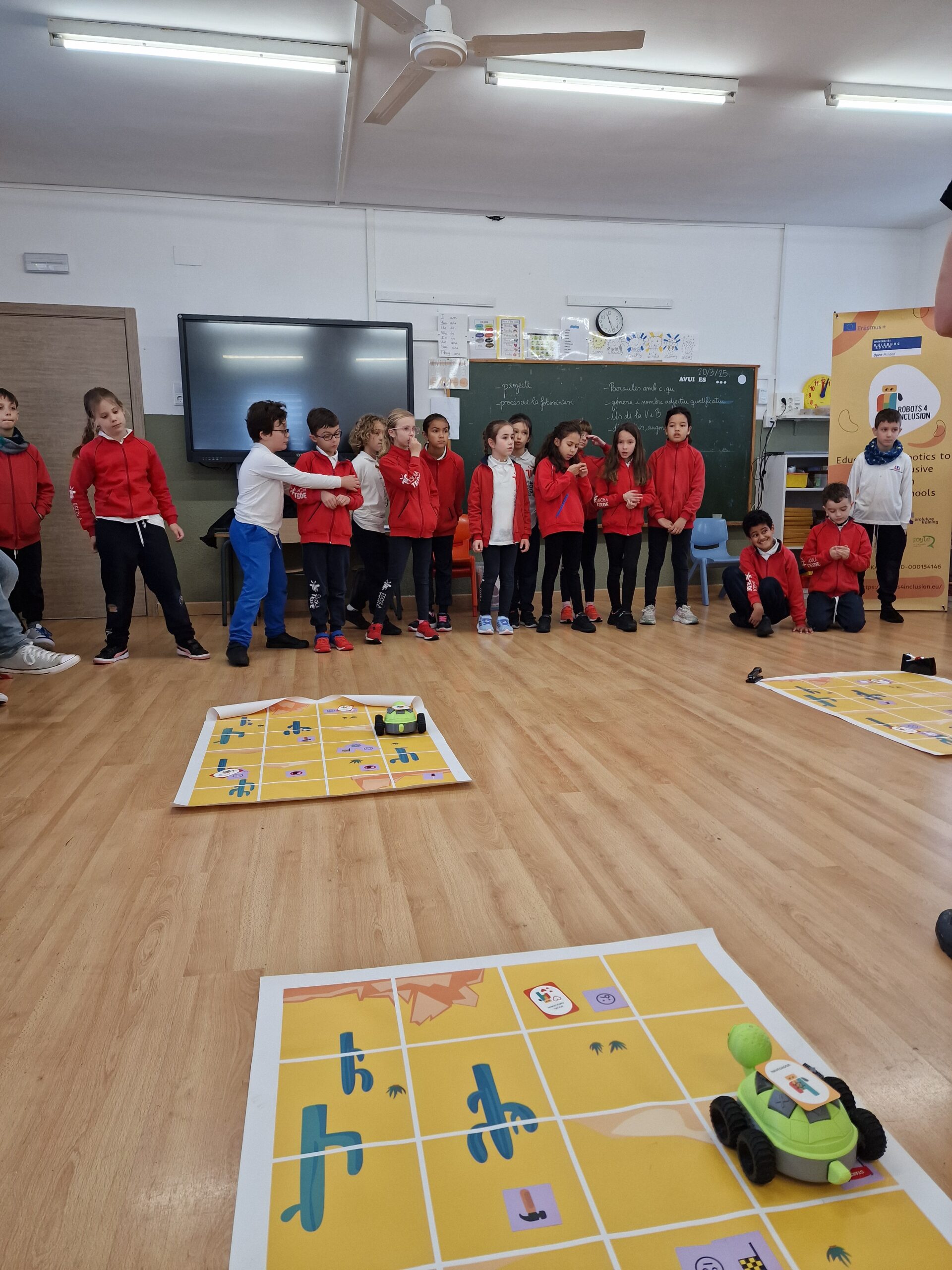
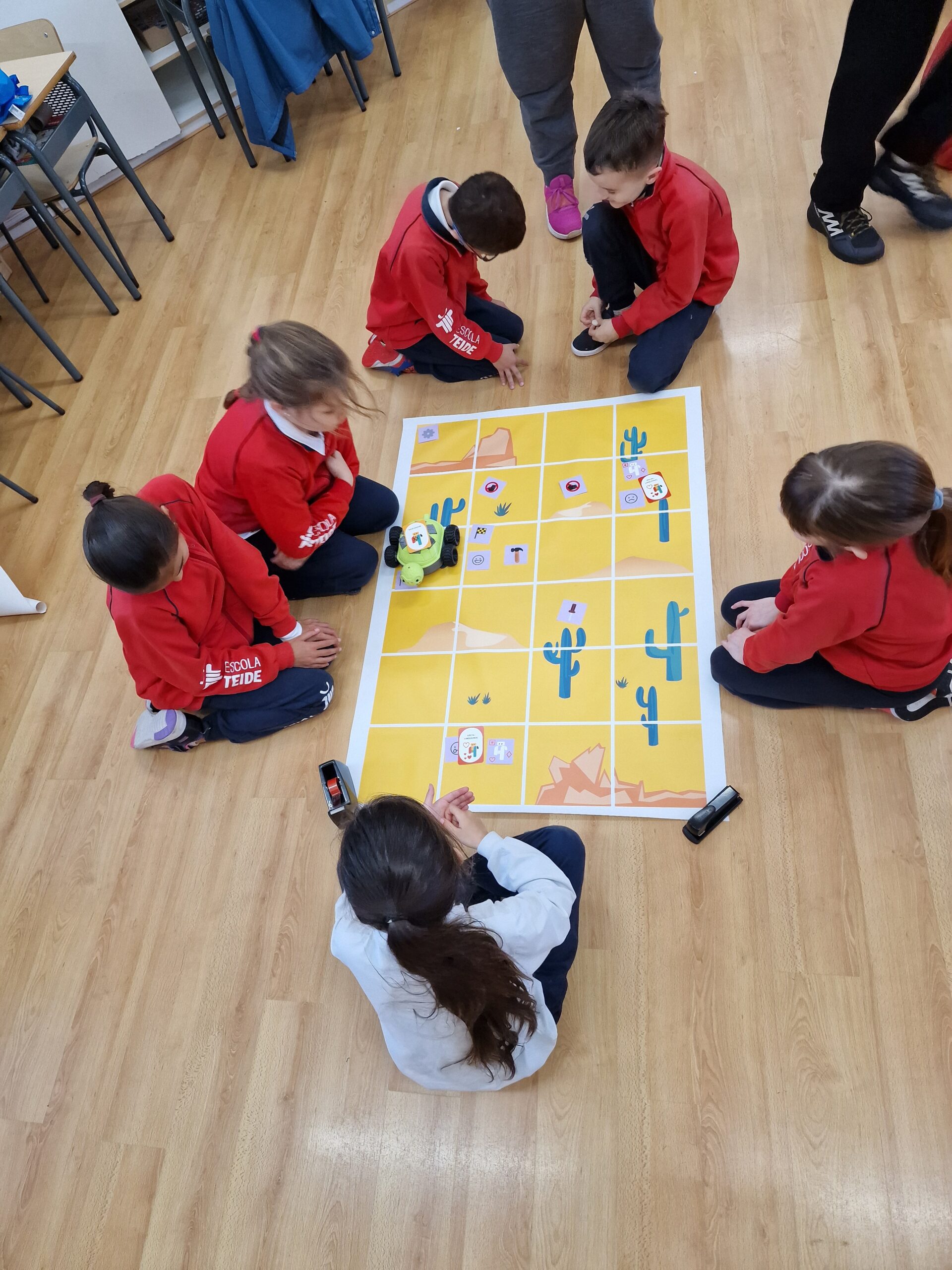
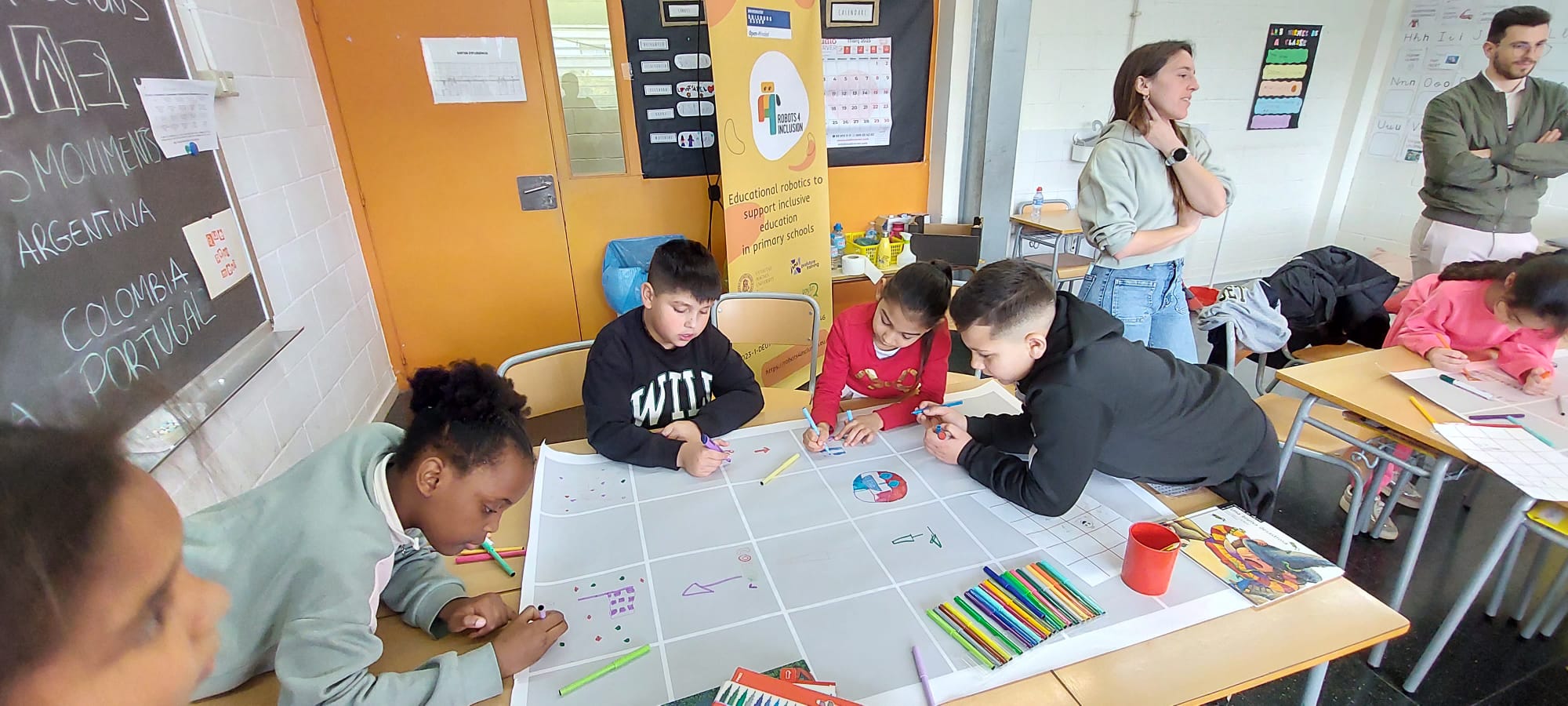
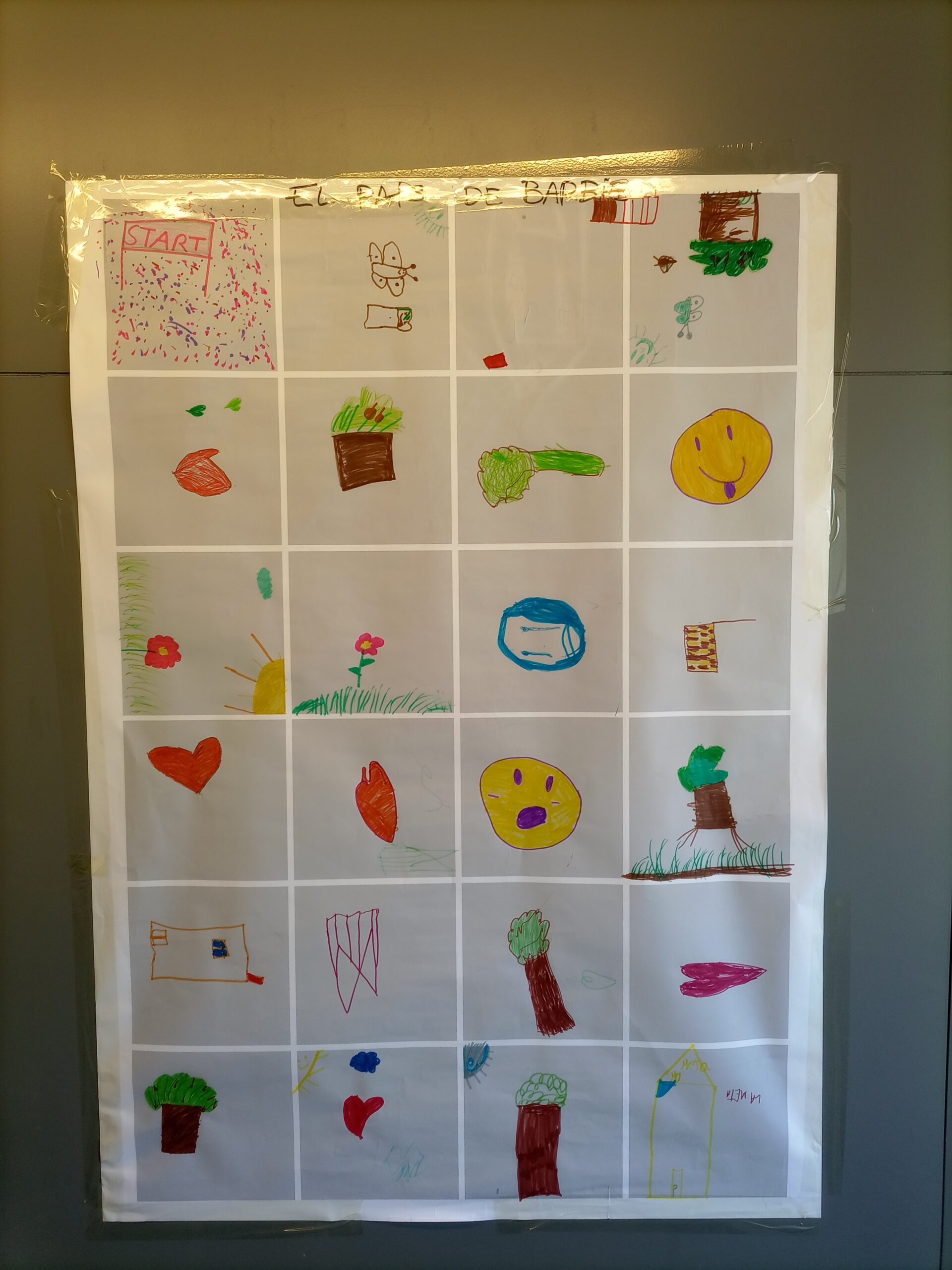
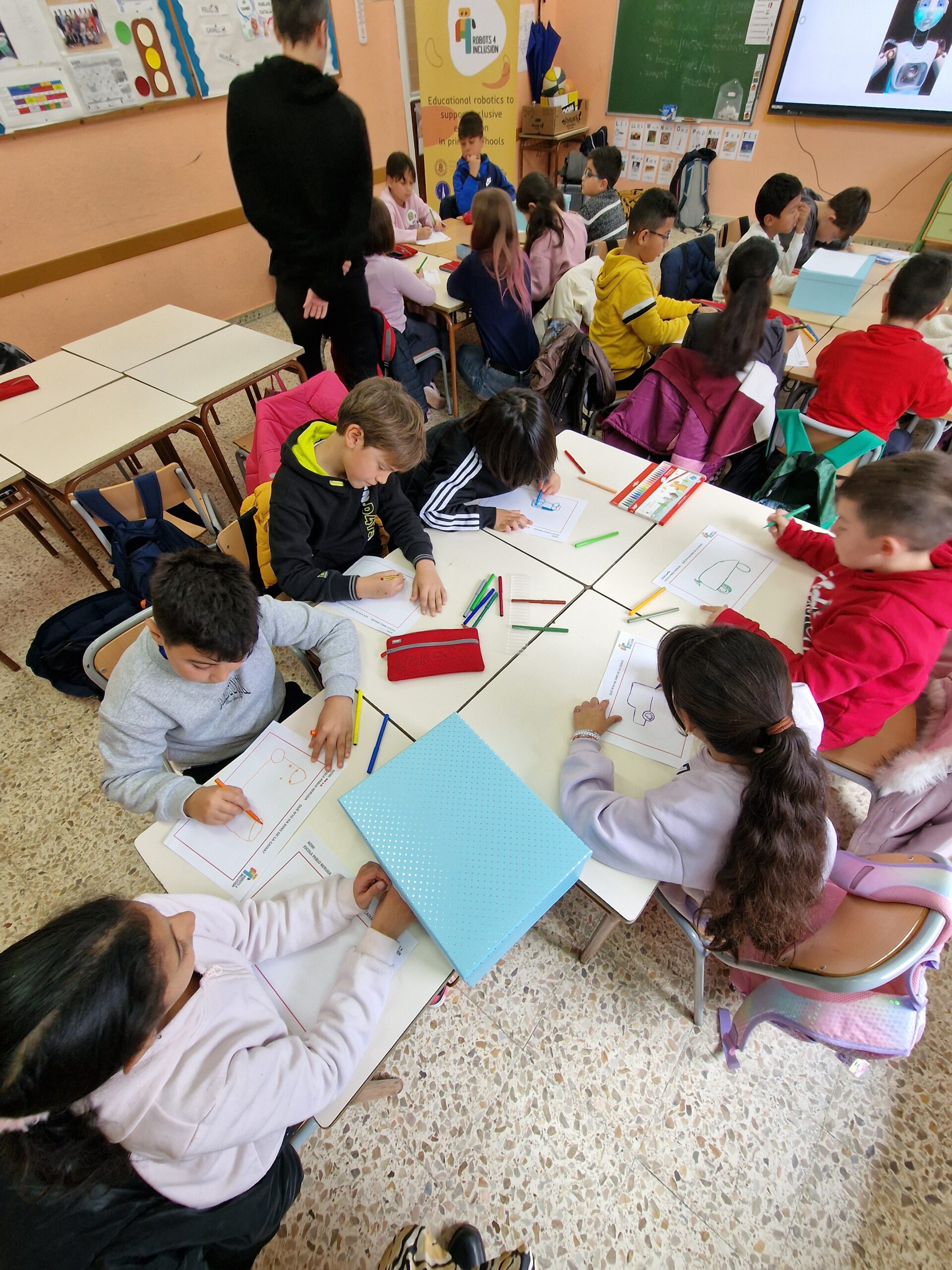
The intervention consisted of six classroom lessons combining robotics, collaborative problem-solving, emotional awareness and group activities.
What Did Spanish Teachers Observe?
Greater emotional awareness and empathy
Teachers described pupils becoming more confident in recognising and expressing emotions. Some also observed greater sensitivity towards classmates’ feelings and an increased willingness to help others.
More opportunities for inclusion
Several teachers reported that pupils who had previously felt isolated developed new friendships or participated more actively in classroom activities. Some children with language-related difficulties also became more involved.
However, experiences varied between classrooms, and not all teachers observed significant changes.
Collaboration and conflict resolution
Working together with TOKADI provided opportunities for pupils to share responsibilities, listen to different opinions and practise resolving disagreements.
Teachers also reported referring back to the activities after the intervention to reinforce empathy and positive classroom behaviour.
New perspectives on educational technology
For many participating teachers, Robots4Inclusion demonstrated that robotics can be used for more than teaching programming or digital skills.
Following the experience, several teachers expressed greater confidence in organising similar activities and exploring how technology could support values education and inclusive learning.
Why Do These Findings Matter?
The Spanish interviews highlight the potential of combining educational robotics with carefully designed collaborative activities.
The findings also underline the importance of teacher guidance, classroom context and sustained practice. As the research is based on teachers’ observations and experiences, the reported changes should not be interpreted as definitive evidence that the intervention alone caused these improvements.
From Classroom Experience to European Collaboration
The Spanish findings form part of a wider qualitative study involving teachers from Finland, Germany, Ireland, Lithuania, Spain and Türkiye.
Through Robots4Inclusion, the project partners have explored how educational robotics can create meaningful opportunities for participation, cooperation and socio-emotional learning in primary education.
Discover more about the project: https://robots4inclusion.eu/
Robots4Inclusion is co-funded by the European Union through the Erasmus+ Programme.